
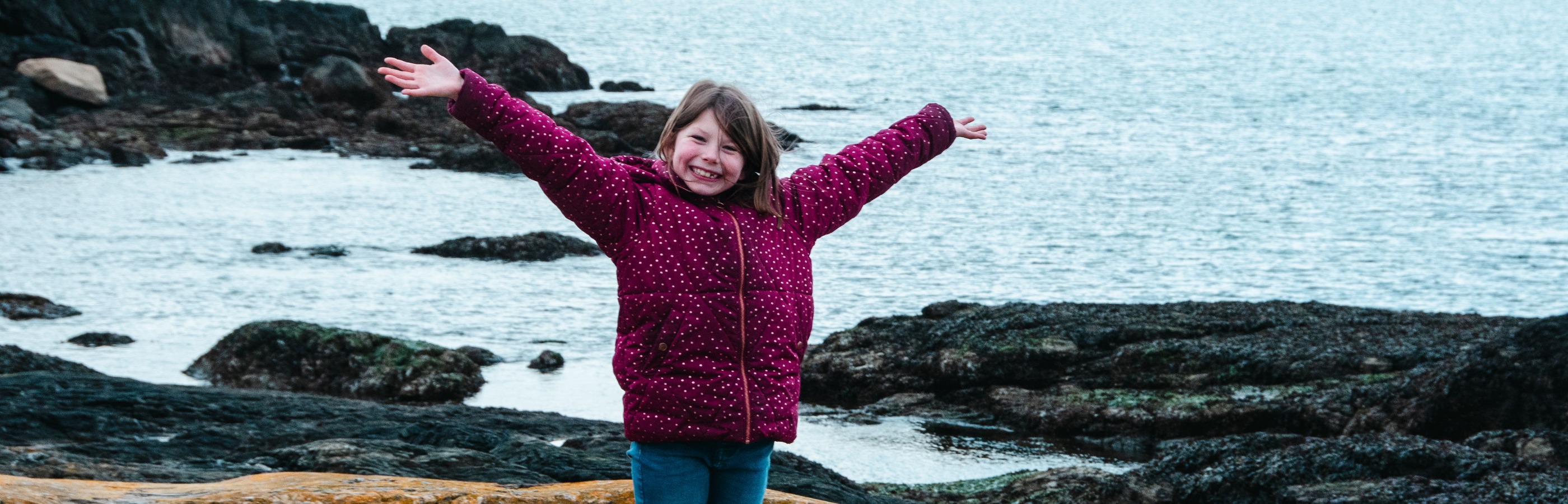
The Junior San Juan Island Whale Conservation Mission
Written by Harmony Stitzel, 4th grader from Bremerton
Photos by Phylicia Stitzel
It was a beautiful April morning when my family and I boarded the ferry from Anacortes to Friday Harbor.
Riding the Washington State Ferry is so much fun, watching the jellyfish in the water as we swooshed by and pointing out all the colorful houses on the shoreline of the islands before we arrived at Friday Harbor. It is so satisfying to watch the ferry soar through the water. I played with my brother through the glass as I stood out on the windy deck, which helped the hour-long ferry ride go by quickly.
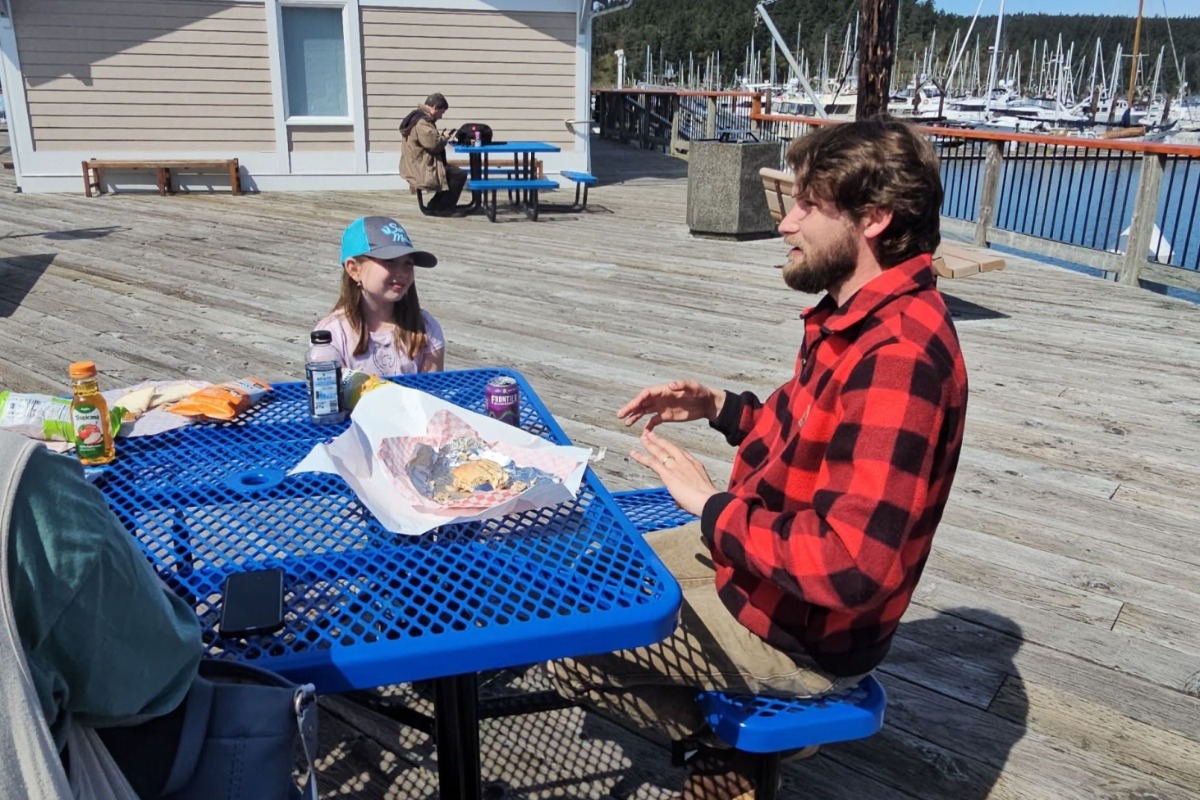
After we got off the ferry, we met Dr. Michael Weiss at the Spring Street Deli to grab some sandwiches for lunch. We took them down to the harbor and sat at some blue tables to eat and talk about whales!
As we were eating, Dr. Weiss and I talked a lot about orcas. I learned that he started studying kelp; did you know that orcas use kelp like a spa treatment? He shared that they have found that the Southern Resident Whales in the Washington area use kelp to rub dead skin off, but their Northern “siblings” in Alaska use pebble beaches to do the same, and to itch that spot they can’t reach.
Southern Resident Whales (a species of Orca that primarily eat fish and favor Chinook Salmon) live specifically in the area around the San Juan Islands and parts of Canada. Northern Resident Whales live along the coast of British Columbia and Southeast Alaska, and Alaska Resident Whales live between Southeast Alaska and Kodiak.
After lunch, we walked up to the Orca Survey Education & Outreach Center with Dr. Weiss. Here, I did a fun scavenger hunt around the center and learned some interesting facts about how scientists identify orcas using pictures. They also use drone footage to measure the whales’ breathing and tail movements, which helps them understand how much energy the whales are using.
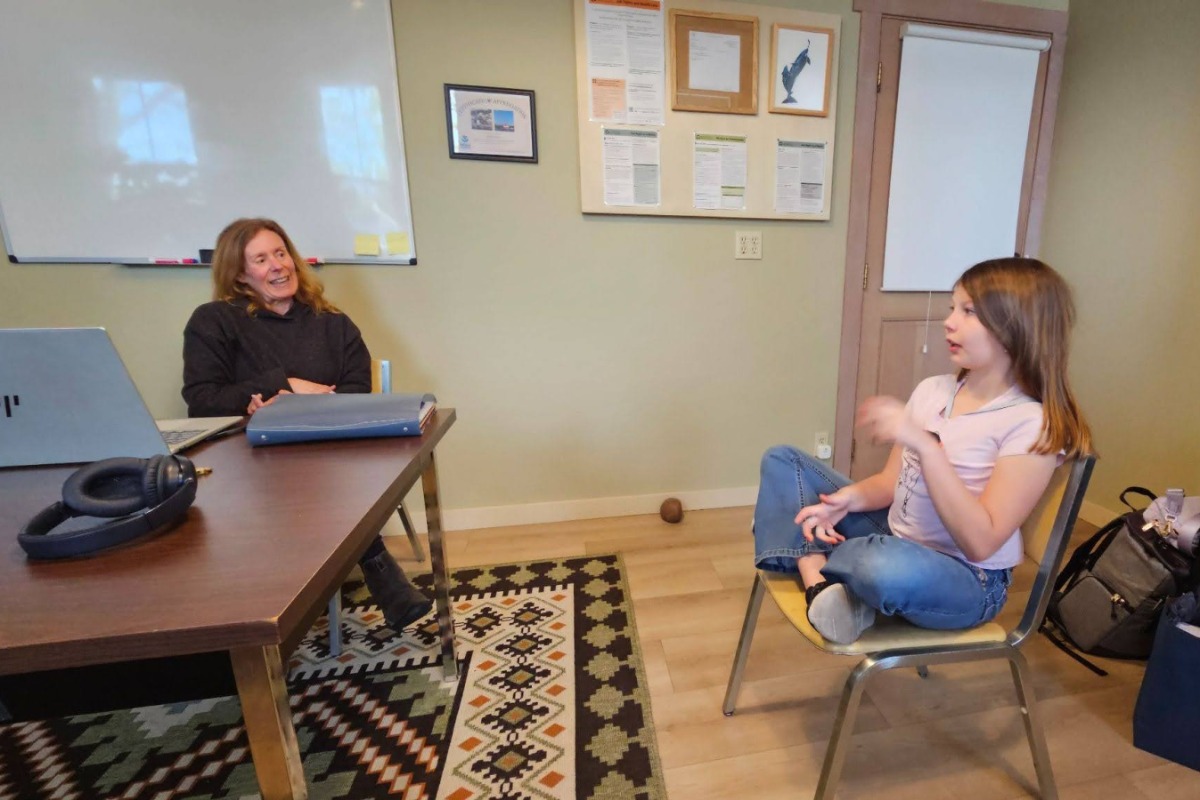
Our last stop of the day was off to meet Dr. Deborah Giles with Eba – the whale scat dog! Dr. Giles and Eba can study whales while still staying far away from them, so they don’t freak out through their poop! Whale poop (or “scat”) Eba finds can tell researchers what the Southern Resident Whales are eating, if they are healthy, sick, pregnant and so much more. This research contributes to the recovery of the Southern Resident Whales, an endangered species with only a few remaining.
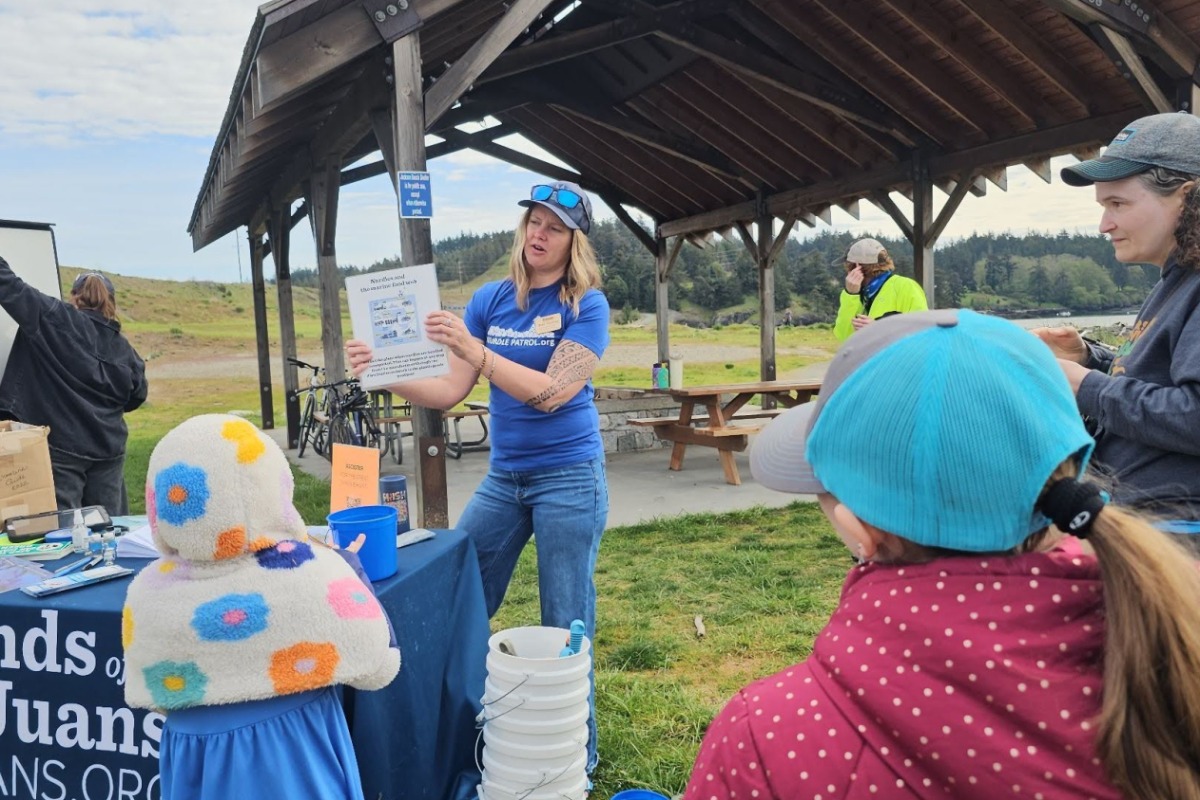
The next morning, we woke up and headed to the Great Nurdle Hunt & Community Clean-up. My mom registered us at the sign-in table, and I grabbed some donuts. We had two choices: to participate in the Nurdle hunt or to help the community clean up along the roads and beaches. We chose to be part of the Nurdle Hunt at Jackson Beach.
When we got to Jackson Beach, Jess Newley, the community science and education director at Friends of the San Juans, explained what nurdles are, so we knew what we were looking for and how to find them on the beach.
Nurdles are small plastic balls that look like fish eggs and are melted down to make larger plastic items. Because they look like fish eggs, the fish will eat them. Those nurdles are toxic to the fish and then, in turn, can harm the whales.
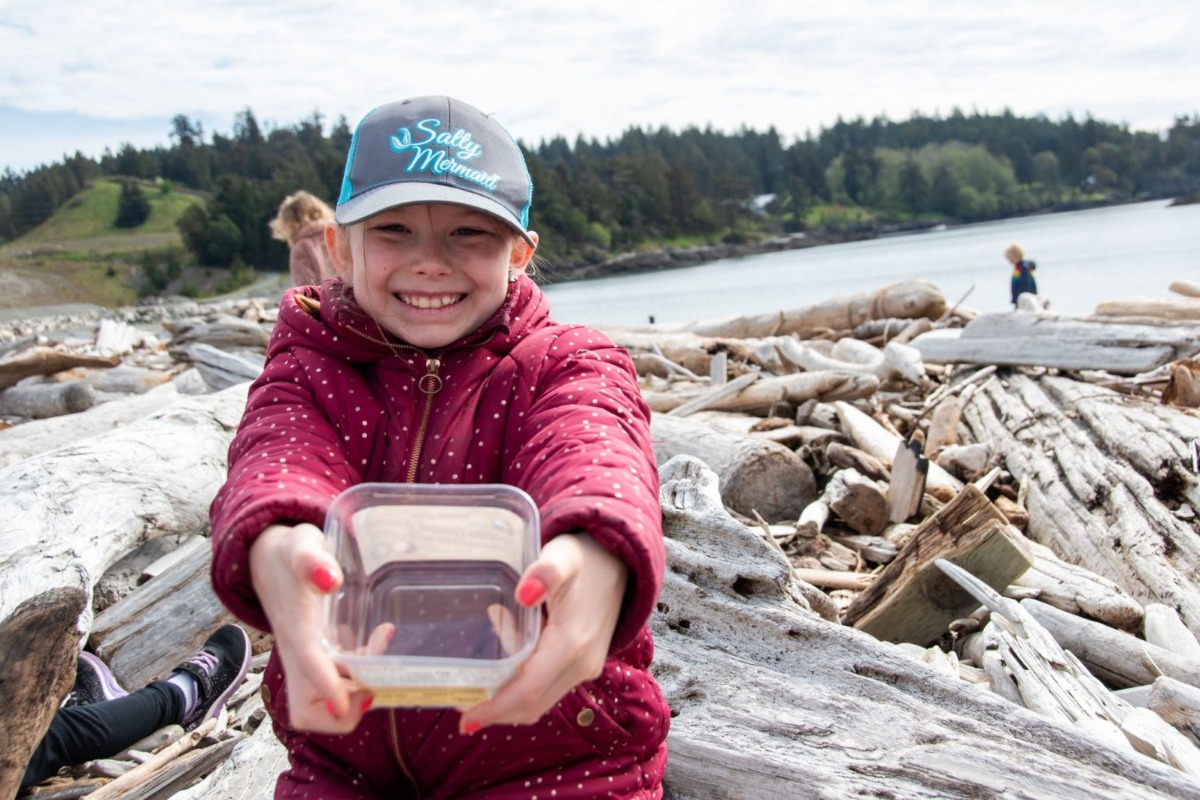
We grabbed buckets and shovels and chose a spot on the beach near the water to start searching for the nurdles. After a while, with no luck, we relocated up the beach closer to the driftwood. That is when we found a lot of nurdles!
They were hard to find; I had to dig through the cracks in the driftwood to reach these tiny pellets. It was cool to see the beach full of people out hunting nurdles. Friends of the San Juans have a goal to collect 40,000 nurdles by September 2026, and I found more than 50, which Jess told me was a lot for a kid to find.
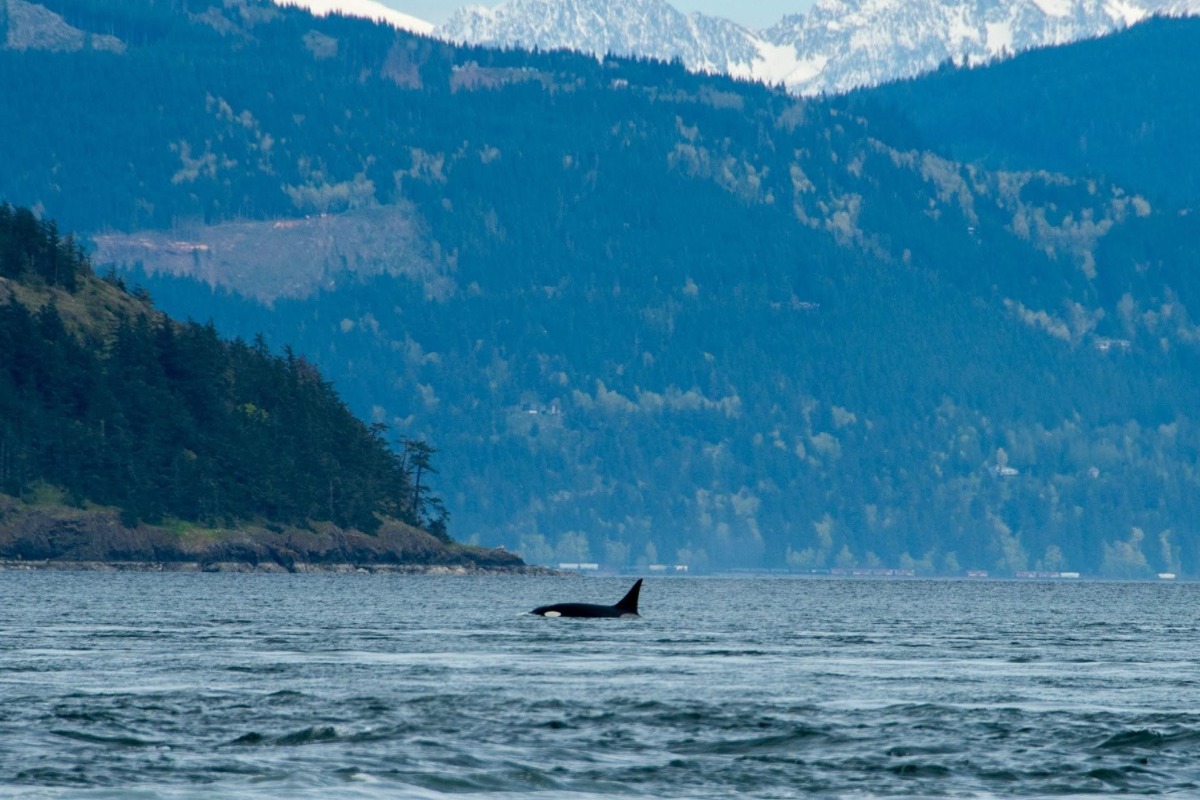
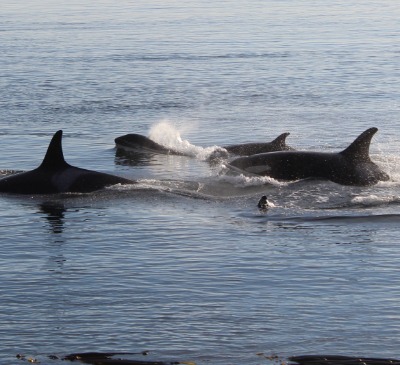
The last chapter of our mission – observing orcas in the wild! We boarded Maya’s Legacy Whale Watching boat with the crew, which was made up of all women. We got to see all kinds of marine wildlife, like seals, sea lions, a rare sighting of a sea otter, birds, and then, finally, Orcas!
I was using the provided binoculars when the marine naturalist on the crew told us that the orcas we found were temporarily visiting from Russia. At one point, the whales got so close to our vessel that I felt like I could high-five their fin. I felt so happy to see these enchanting mammals up close in the wild.
Over the weekend, I learned so much about these beautiful creatures and how we can do our part to protect them. What I would share with kids like me about protecting whales and keeping our oceans clean is to do your part! Try not to litter, clean up trash whenever you see it, recycle, and help your community.